
April 23, 2026
Why Candytoys are Better than Just Candy
Candytoys are a sweet and significant evolution in consumer behavior psychology and product design. Unlike regular candy, which is primarily a sensory experience focused on eating pleasure, this novelty confectionery integrates play, interactivity, and reward mechanisms into an enjoyable consumption process. All of these make candytoys better than candy. But there’s a lot more to candytoys at Hoppin', which we would like to share with you.
A Multi-Sensory Experience
The candytoy category capitalizes on the fun of playing with toys, turning a tasty treat into a multi-sensory experience where children play and snack. This hybrid nature can be easily seen in the Block Candy Toy. This interactive set combines the creativity of building blocks with a hidden sweet surprise inside every colorful piece. Kids can interlock stackable blocks and build towers and fun shapes before or after enjoying the treat inside. Some blocks contain a fizzy powder candy surprise, adding a crackling sensation to the fruity dextrose. Each block is filled with fruity dextrose candy in popular flavors like strawberry candy, mango, and lemon.
An Interactive Experience
The main difference between regular candy and candytoys is the interactive experience they offer. Traditional candy is a passive consumption good because its usefulness ends once the product is consumed. But candytoys function as dual-delight products, providing value through both the edible candy component and the non-edible toy.
For instance, the Comb Lollipop Toyis a unique comb-shaped toy featuring a mirror and a lollipop. The interactive toy is used for grooming play and fashion fun long after the lollipop is consumed. Such products are available in various stylish designs as well. This dual-delight mechanism triggers a healthy dopamine response that is distinct from the simple gratification of eating sugary candy. Not to forget: a cute- and stylish-looking kid too.
A High Level of Engagement
The inclusion of a toy or a DIY assembly component triggers a higher level of engagement, and it requires kids to perform a task before receiving their candy reward. This effort justification places a higher value on items that require personal involvement to assemble or uncover. The Cube Puzzle is an apt example. Kids need to solve the puzzle before finishing the candy. It also increases dwell time, that is the duration children spend interacting with candy before and during its consumption.
4 Party Poppers
Bring out the cake and then go “Boom!” with Party Poppers. This blast pop is perfect when your kid is cutting the birthday cake. The great thing is that the Party Poppers go with any theme, but what is greater is that they make a bang with surprise treats inside. The pack includes a set of 24 pieces apt for two dozen of your kid’s friends or your relatives standing around the cake at the party.
The Novelty Factor
Since the early 20th century, confectionery marketing included small toys or trinkets to create a memorable moment that increased brand loyalty. Similarly, candytoys frequently use a novelty factor to differentiate themselves from other candies and chocolates in the marketplace. For adults, these products often evoke nostalgia, a powerful emotional driver that instantly links the consumption experience to childhood memories of discovery and play. This emotional connection is a key differentiator; while regular candy—like a simple ice cream candy—satisfies only a sugar craving, candytoys satisfy a psychological need for whimsy and surprise. Health-conscious kids can also join the fun as there are many sugar-free candies available in the market.
An Innovative Product Category
From a distribution and manufacturing perspective, candytoys allow for the diversification of product offering. By moving beyond flavor profiles, Hoppin' innovates through mechanical design, such as dispensers, secret compartments, or interactive kits. The product is ensured to meet both food safety standards and toy safety regulations, such as those regarding small parts and non-toxic materials. The integration of these two industries—confectionery and toys—transforms the point of sale into an experience rather than a transaction. There’s always room for imagination and innovation even when the flavors are few. The best part is the time to market.
A Creative Retail Strategy
The integration of candytoys into a retail strategy helps mitigate the risk of product stagnation, as the toy component provides a secondary value proposition that remains even after the candy has been consumed. From a business perspective, the diversification of a product portfolio to include candytoys allows for a broader market reach.
Candytoys enjoy better shelf visibility because they are categorized as gifts or collectibles rather than just candy. Also, while standard candy is subject to the volatility of flavor trends, candytoys are often tied to games or sports, seasonal themes, or interactive mechanics that remain relevant regardless of shifting taste preferences.
Beach Tools Candytoy is a set of functional mini beach tools with a sweet surprise in the handle. Kids can play in the sand after enjoying a candy snack. The real working shovels, rakes, and sifters in a variety of bright summer colors are perfect for building sand castles before the tide comes in. Similarly, in Badminton Candy, kids can smash a shuttlecock and enjoy a badminton-themed toy. The racket’s handle holds a swirl lollipop.
Another Possible Reason Why Candytoys are the Best
For those who love nutty flavors, some toys include a crunchy peanut candy center instead of gummies or lollipops.They’re chocolate or cake lovers perhaps. But these children have a strict sense of taste. So, the toy is more enjoyable than the candy. The toy for the win here. However, there’s also Chilli Lollipop, with sugar and spice and all that’s nice.
Chilli Lollipop is a box of 50 chilli gummy lollipops apt for an entire class of such children. What makes this lollipop unique is its subtle spicy twist. This hot treat stands out from the rest because of its totally unexpected flavor, which can surely give friends a spicy surprise. Offer this spicy chilli-shaped gummy to friends who need a little spice in their life. Don’t like candy it seems. Humph.
An Underlying Message
Unlike regular candy, candytoys are active and effective in their underlying messaging. Besides stimulating creativity through play, kids can learn in a really sweet way. For example, Traffic Light gummies are a fun way to teach children about traffic lights and the importance of obeying rules, and a zesty lemon candy flavor for the green light adds a tangy twist that kids adore. These fun gummies are sweet miniature traffic light signals of red, yellow, and green. Each colored light has a delicious fruit flavor, such as mango candy for yellow, strawberry for red, and lemon for green. Pop a red one into their mouth when it’s time to have them stop and listen to your rules. These gummies are a tasty way to set some rules too. So, get ready and go!
We’ve mentioned eight reasons why we believe that candytoys are better than just candy. There could be a lot more, because each candytoy is unique. To join in on all the candytoy fun, you’ll need to Hoppin' at candytoy.in!
Recent Posts
Best Navratri & Dussehra Gift Ideas for Kids in India
Best Raksha Bandhan Gifts for Brother & Sister
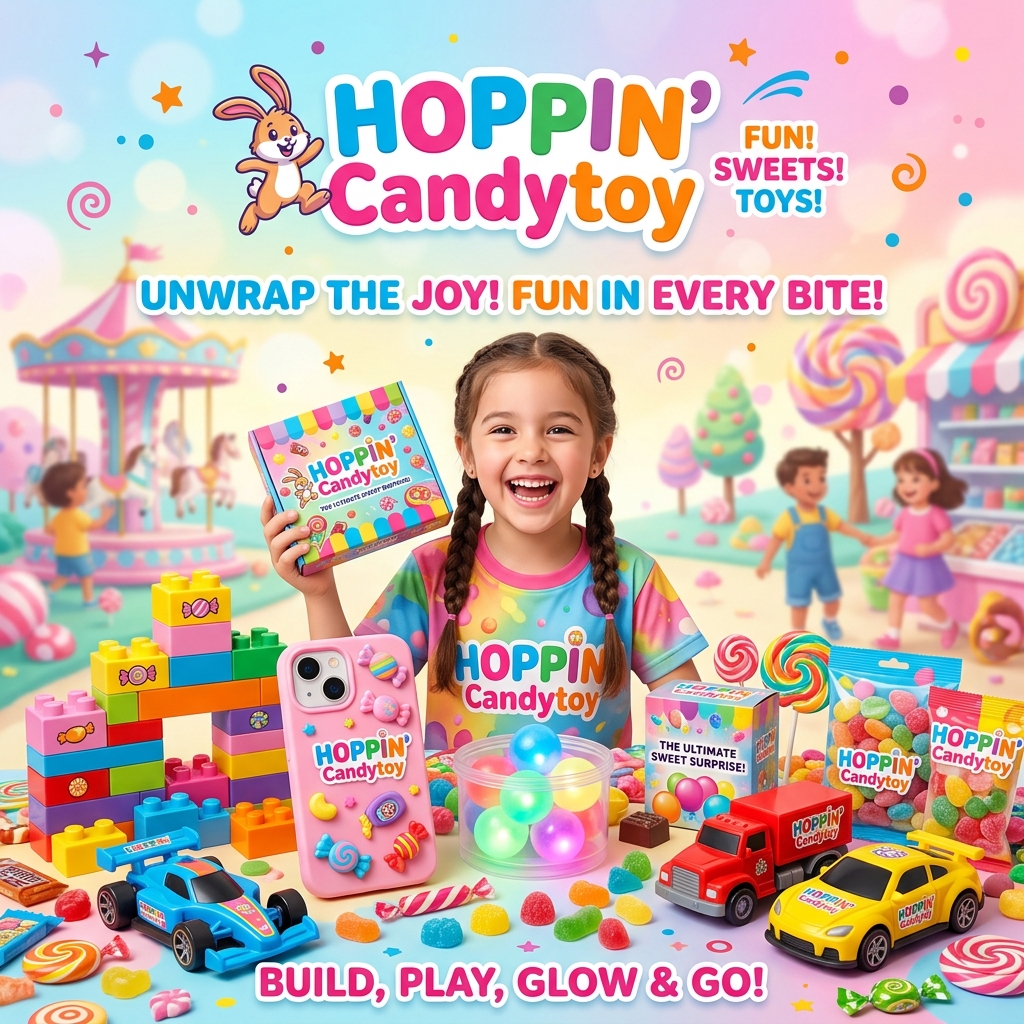
Candytoys Explained: The HOPPIN’ Candy-with-Toy
Candytoy Complete Guide: Candy with Toy Inside for Kids
